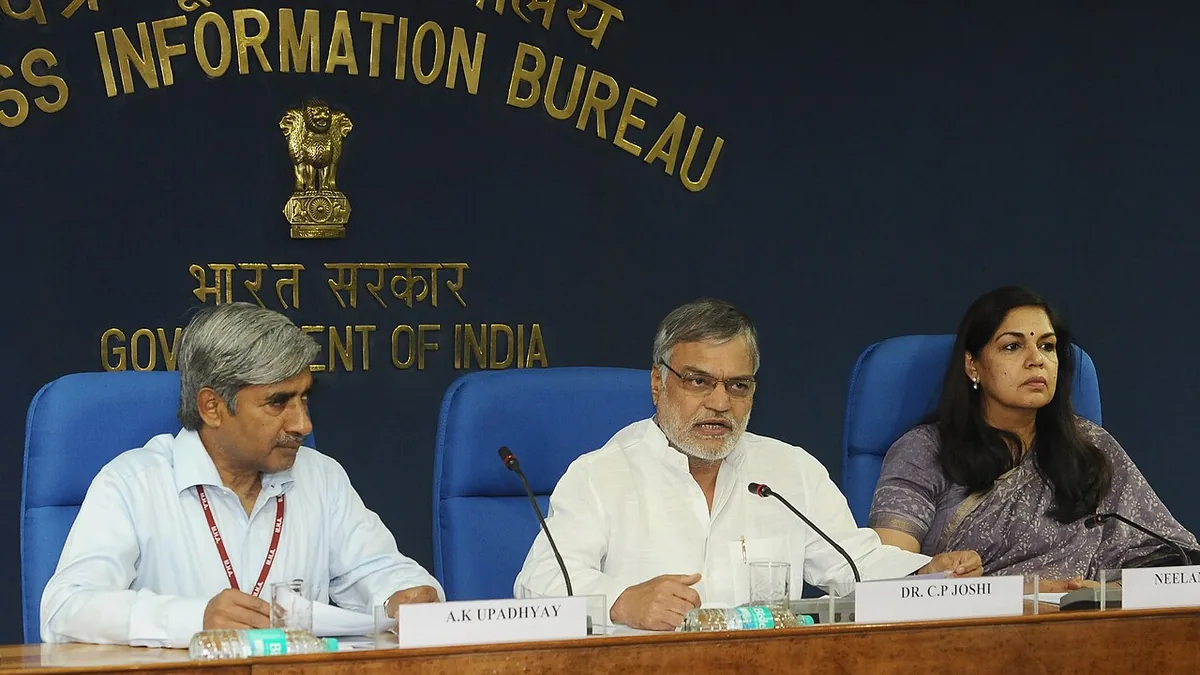
On November 13, 2026, the Ministry of Road Transport and Highways notified the Central Motor Vehicles (Sixteenth Amendment) Rules, 2026, amending the Central Motor Vehicles Rules, 1989 to establish revised, tiered validity periods for Pollution Under Control certificates across India. Framed in exercise of the Central Government’s rule-making powers under Section 110 of the Motor Vehicles Act, 1988, the amended rules came into force nationwide on November 16, 2026.
The Sixteenth Amendment substitutes sub-rule (7) of Rule 115 and inserts a new sub-rule (7A) in the Central Motor Vehicles Rules, 1989, linking Pollution Under Control certificate renewal intervals directly to a vehicle’s Bharat Stage emission standard, transport or non-transport classification, and age since first registration. Under the revised framework, older vehicles complying with BS-I, BS-II, and BS-III emission norms are subject to a strict three-month validity period, while BS-IV vehicles carry a six-month validity period.
For cleaner BS-VI vehicles, the Ministry introduced graduated renewal intervals depending on vehicle category and age. Non-transport BS-VI motor vehicles receive a Pollution Under Control certificate valid for three years at a time during the first six years from the date of first registration, once every year between six and ten years from first registration, and once every six months after ten years. Transport BS-VI motor vehicles receive a two-year validity interval for the first six years from first registration, annual renewal between six and ten years, and six-monthly renewal beyond ten years. In addition, newly registered motor vehicles complying with prevailing emission norms continue to enjoy their statutory initial exemption period before the first renewal falls due under Rule 115(7).
The notification also sets out clear transitional rules governing existing certificates and renewal dates. For Pollution Under Control certificates issued prior to November 16, 2026, the revised validity periods apply only upon their first renewal after commencement of the Sixteenth Amendment Rules. Where a vehicle owner seeks renewal within the ten days preceding the expiry of an existing certificate, the renewed certificate takes effect from the expiry date of the previous certificate; where renewal is obtained after expiry, validity runs from the actual date of testing and renewal. This ten-day window prevents owners from losing remaining validity days when renewing early.
Notwithstanding the extended renewal intervals for newer BS-VI vehicles, the Ministry reiterated that every motor vehicle must continue to carry a valid Pollution Under Control certificate issued or renewed by an agency authorised by the State Government, and must produce it on demand before enforcement officers specified under Rule 116(1) of the Central Motor Vehicles Rules, 1989. Where an enforcement officer has reason to believe that a motor vehicle is not complying with prescribed emission standards even while carrying a certificate, Rule 116 empowers the officer to direct the driver or person in charge of the vehicle to submit the vehicle for a fresh emission test at an authorised testing station. Failure to carry or produce a valid certificate remains punishable under Section 190(2) of the Motor Vehicles Act, 1988, and testing agencies must record emission readings digitally on the central Vahan and PUCC portal.
By differentiating emission-testing frequency between newer BS-VI vehicles and older BS-I to BS-IV fleets, the Central Motor Vehicles (Sixteenth Amendment) Rules, 2026 aim to reduce administrative compliance burdens on owners of low-emission vehicles while maintaining frequent emission monitoring for older, higher-polluting vehicles across India. State transport departments and authorised testing centres must update their certificate validity templates immediately to reflect the new Rule 115(7) and Rule 115(7A) schedules, ensuring uniform digital issuance, database synchronisation, and roadside enforcement across all States and Union Territories.
Official Sources
Official Primary Document: Central Motor Vehicles (Sixteenth Amendment) Rules, 2026 (MoRTH Notification (Effective November 16, 2026)), issued by Ministry of Road Transport and Highways (MoRTH), Government of India on November 13, 2026. Direct link: https://www.scconline.com/blog/post/2026/11/21/puc-certificate-validity-bs-vi-vehicles-cmv-rules-2026/
THE LAW SCHOOL HUB — LEARN LAW. UNDERSTAND JUSTICE. Read more verified national and international legal news reports at https://thelawschoolhub.com.