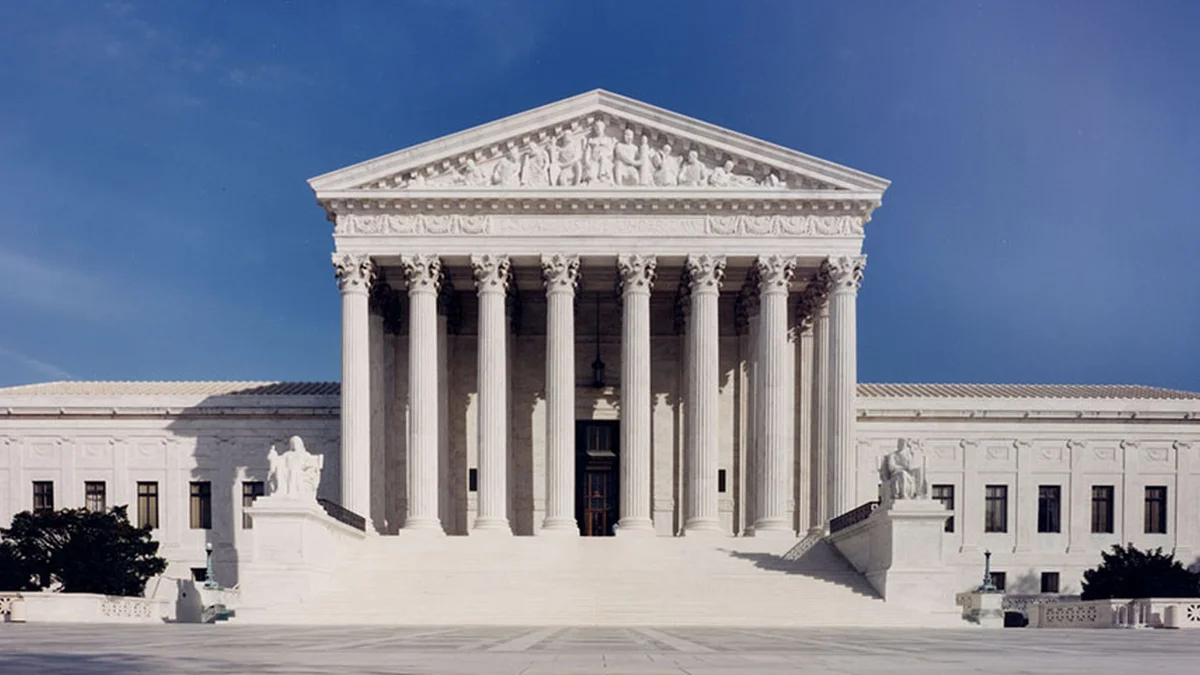
In a major capital-markets development closely watched by public companies, underwriters, and institutional investors, the U.S. Supreme Court on November 13, 2026 granted certiorari in Robinhood Markets, Inc. v. Sodha (No. 25-944), agreeing to clarify when issuers can be held liable under federal securities law for omitting intra-quarter interim financial data in an initial public offering registration statement.
The dispute stems from Robinhood’s 2021 IPO and investor claims brought under Section 11(a) of the Securities Act of 1933. Investors alleged that Robinhood’s offering documents failed to disclose negative interim revenue and user-engagement trends occurring during the ongoing quarter before the registration statement became effective. While a federal district court dismissed the complaint, the U.S. Court of Appeals for the Ninth Circuit partially revived the claims, adopting an expansive reading of Section 11 disclosure duties.
At the heart of the Supreme Court appeal is a sharp statutory question under Section 11(a): does the mere significance or materiality of omitted interim financial information establish liability, or must a court also assess whether that omitted information was necessary to prevent an existing affirmative statement in the registration statement from misleading investors?
Business groups and defence-side securities practitioners—including the U.S. Chamber of Commerce and the Washington Legal Foundation as amici curiae—urged the justices to reverse the Ninth Circuit. They argued that collapsing the statutory duty to disclose into a standalone “materiality” test ignores the plain text of Section 11, which penalises omissions only when a fact is expressly required by SEC rules or needed to make stated facts not misleading, and echoed the Supreme Court’s 2024 ruling in Macquarie Infrastructure Corp. v. Moab Partners limiting pure-omission claims under Rule 10b-5.
Conversely, shareholder plaintiffs maintain that when intra-quarter metrics diverge sharply from historical growth narratives highlighted in an IPO prospectus, withholding those interim figures leaves investors with a distorted picture of the issuer’s financial trajectory at the moment shares are priced.
In November 2026 client alerts, Wall Street and Silicon Valley securities counsel emphasised that the Supreme Court’s forthcoming decision will directly govern pre-effective IPO “flash” disclosure practices, comfort-letter diligence, and registration-statement drafting across U.S. capital markets. Requiring real-time intra-quarter updates whenever unaudited metrics fluctuate could expose issuers to hindsight litigation even when SEC Regulation S-K does not mandate interim financial statements.
With oral argument expected later in the 2026–27 term, Robinhood Markets, Inc. v. Sodha stands poised to define the outer boundaries of strict-liability omissions claims under Section 11 of the Securities Act of 1933 for issuers and underwriters nationwide.
From a statutory-interpretation standpoint, Robinhood Markets, Inc. v. Sodha tests the symmetry between private antifraud claims under Rule 10b-5 of the Securities Exchange Act of 1934 and strict-liability registration claims under Section 11(a) of the Securities Act of 1933. In Macquarie Infrastructure Corp. v. Moab Partners (2024), a unanimous Supreme Court held that pure omissions are not actionable under Rule 10b-5(b) unless they render affirmative “half-truths” misleading. Defence counsel contend that Section 11(a) uses materially identical language.
Under SEC Regulation S-K, issuers conducting an IPO are generally not required to report unaudited financial results for an in-progress fiscal quarter unless specific regulatory thresholds are triggered. If the Ninth Circuit’s materiality-only standard were affirmed, issuers and underwriters would face constant uncertainty over whether fluctuating weekly or monthly internal dashboards must be disclosed in prospectuses immediately prior to pricing.
With certiorari granted on November 13, 2026, capital-markets practitioners across New York, San Francisco, and London will closely follow merits briefing and oral argument in early 2027.
The Supreme Court’s eventual ruling will set binding nationwide standards for Section 11 IPO disclosure litigation.
Official Sources
Official Primary Document: Robinhood Markets, Inc. v. Sodha (No. 25-944) (Official Record), issued by Supreme Court of the United States on Verified Date. Direct link:
THE LAW SCHOOL HUB — LEARN LAW. UNDERSTAND JUSTICE. Read more verified national and international legal news reports at https://thelawschoolhub.com.