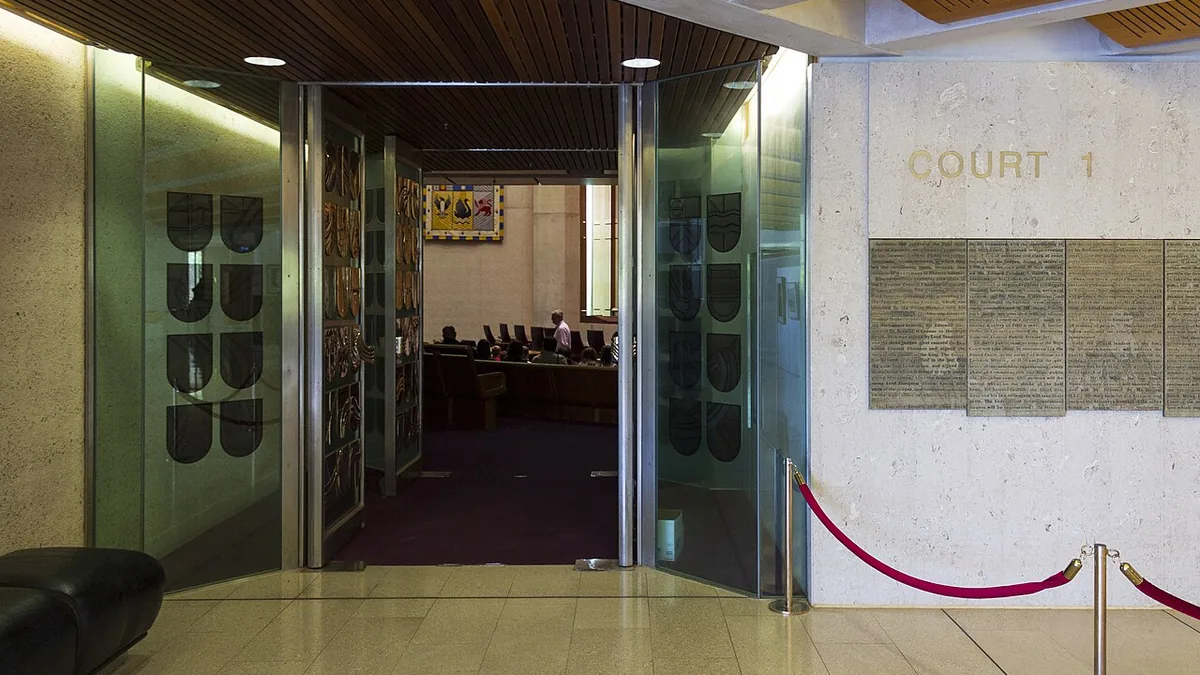
On November 4, 2026, the High Court of Australia delivered a landmark gig-economy tax ruling in Uber Australia Pty Ltd v. Chief Commissioner of State Revenue, [2026] HCA 40, dismissing Uber’s appeal by a 6–1 majority and upholding New South Wales payroll tax assessments of approximately $81 million covering the 2015 to 2020 financial years. The Bench—comprising Chief Justice Gageler and Justices Gordon, Edelman, Steward, Gleeson, Jagot, and Beech-Jones, with Justice Steward dissenting—confirmed that fares collected and remitted by Uber to rideshare drivers constitute deemed wages under Division 7 of Part 3 of the Payroll Tax Act 2007 (NSW).
Under New South Wales’s “relevant contract” provisions, payroll tax extends beyond traditional employer-employee relationships to capture payments made under contracts where a person supplies work-related services to a business. Uber argued that its Driver Contracts fell outside section 32(1)(b) because drivers supplied driving services to riders rather than to Uber, that any services were ancillary to drivers supplying their own vehicles under section 32(2)(a), and that Uber merely acted as an administrative payment-collection agent.
Rejecting all three grounds of appeal, the six-Justice majority held that Uber’s platform business depends fundamentally on drivers performing trips in accordance with Uber’s contractual terms, service standards, and pricing architecture. Although drivers were under no obligation to accept any specific trip, the joint judgment likened their position to casual employees: once a driver accepts a trip, contractual obligations to perform the driving service bind the driver to Uber.
Equally decisive was the Court’s rejection of Uber’s payment-flow argument under section 35(1) of the Act. Because Uber collected passenger fares and remitted net amounts to drivers for work performed under relevant contracts, those remittances were deemed wages regardless of contractual agency labels. Nor could driving services be characterised as merely “ancillary” to vehicle use, since transporting passengers is the core commercial service.
The decision carries sweeping financial implications across Australia’s platform economy, medical centres, mortgage-broking networks, and logistics contractors. Because virtually every Australian state and territory administers harmonised relevant-contract payroll tax statutes, platform operators and intermediary businesses must urgently audit historical and ongoing contractor payment flows for state revenue exposure.
Tax advisers noted that simply redrafting tripartite agency clauses or restructuring payment-clearing mechanics will no longer insulate platform intermediaries from payroll tax liability where contractors deliver the business’s core service under platform-governed rules.
In reaching its 6–1 conclusion, the High Court carefully analysed the statutory text of Division 7 of Part 3 of the Payroll Tax Act 2007 (NSW). Notably, the majority did not find it necessary to decide whether a separate contract existed between drivers and passengers for the supply of driving services; instead, it focused on the contractual obligations owed by drivers directly to Uber under the Driver Contracts. Because drivers were contractually bound to Uber to complete accepted trips in accordance with Uber’s standards, Uber was the recipient of those services for payroll tax purposes.
Furthermore, the Court clarified that merely because a business generates financial benefit from an arrangement is insufficient on its own to trigger section 32(1)(b); what matters is the enforceable contractual obligation to perform the work. Even though drivers retained flexibility over when to log into the app, once a trip commenced they operated within Uber’s structured commercial framework.
In dissent, Justice Steward would have allowed Uber’s appeal on the payment-remittance issue, highlighting the ongoing doctrinal debate in Australian tax law over tripartite digital-platform payment flows.
Consequently, the High Court’s dismissal of Uber’s appeal brings finality to a landmark test case for state revenue authorities and gig-economy platforms across Australia.
Official Sources
Official Primary Document: Uber Australia Pty Ltd v. Chief Commissioner of State Revenue (Official Record), issued by High Court of Australia on Verified Date. Direct link:
THE LAW SCHOOL HUB — LEARN LAW. UNDERSTAND JUSTICE. Read more verified national and international legal news reports at https://thelawschoolhub.com.