LEARN LAW · UNDERSTAND JUSTICE
PEER-REVIEWED INDIAN LEGAL ANALYSIS & CASE BRIEFS TOPIC BANK JOIN COMMUNITY →
Intelligent Legal Command Search

Search the legal knowledge library

Popular legal inquiries
International Legal News Intermediate

United States Blocks Brazil’s First WTO Dispute Panel Request Over Section 301 Tariffs in DS646

At the November 24, 2026 WTO Dispute Settlement Body meeting, the US blocks Brazil’s first panel request challenging additional tariffs in DS646.

Cite This Article
Pallavi Merikanapalli, 'United States Blocks Brazil’s First WTO Dispute Panel Request Over Section 301 Tariffs in DS646' (The Law School Hub, 26 November 2026) <https://thelawschoolhub.com/us-blocks-brazil-first-wto-dispute-panel-request-section-301-tariffs-ds646-2026/> accessed 26 November 2026
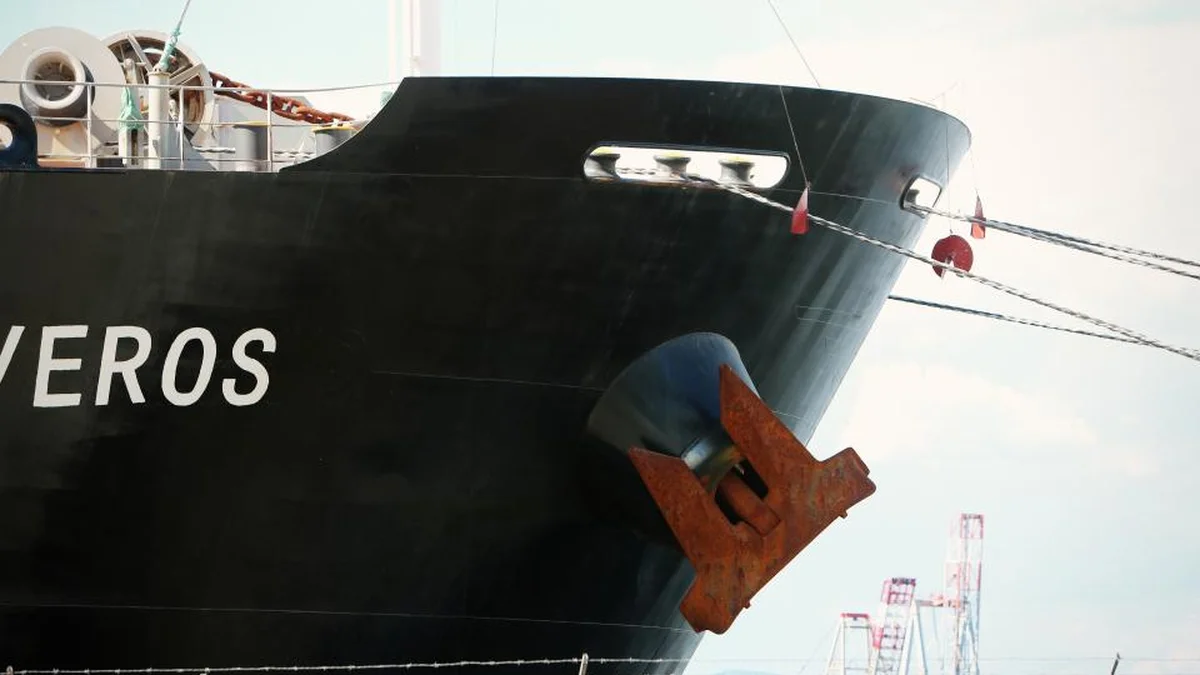
United States Blocks Brazil’s First WTO Dispute Panel Request Over Section 301 Tariffs in DS646 — Commercial vessel bow at an international shipping port representing global tariff disputes
Commercial vessel bow at an international shipping port representing global tariff disputes (The Law School Hub News Desk)

At the regular meeting of the World Trade Organization (WTO) Dispute Settlement Body (DSB) on November 24, 2026, the United States blocked Brazil’s first formal request to establish a dispute settlement panel in case DS646 challenging additional U.S. tariffs imposed on Brazilian exports. Under the WTO’s Dispute Settlement Understanding (DSU), a responding member may block a panel request on the first occasion, but cannot prevent panel establishment when the request is renewed at a subsequent DSB meeting.

The next regular meeting of the DSB is scheduled for December 17, 2026, when Brazil is expected to submit its second request, which automatically triggers panel establishment unless there is negative consensus against it.

Key Legal Findings & Proceedings

Brazil initiated dispute DS646 after bilateral WTO consultations failed to resolve its challenge to unilateral additional duties imposed by the United States. In its statement to the DSB, Brazil contended that the additional tariffs violate core Most-Favoured-Nation (MFN) obligations under Article I:1 of GATT 1994, exceed bound tariff schedules under Article II, and contravene Article 23 of the DSU prohibiting unilateral determinations of trade violations outside multilateral WTO procedures.

The European Union and several WTO members used the November 24 DSB session to reiterate that a fully functioning, two-tier WTO dispute settlement system remains essential to predictable multilateral trade, while also noting ongoing stalemate over Appellate Body appointments. During the same DSB session, members also adopted a compliance panel report in a separate dispute initiated by the European Union.

Institutional & Legal Significance

Because India is a founding WTO member and frequent participant in GATT and DSU litigation—including as a complainant and third party in tariff and Section 232/301 disputes—case DS646 directly affects multilateral trade law norms binding on India. If Brazil secures panel establishment on December 17, 2026, third-party participation by major trading economies including India could shape how WTO panels adjudicate unilateral tariff measures in the current global trade environment.


Editorial Accountability & Correction Policy Spot an outdated statute, citation, or factual nuance? Notify our review board.

For legal education and general information. Consult the article’s sources and the law of the relevant jurisdiction; this publication is not individual legal advice.

69 Articles
About the author

Pallavi Merikanapalli

I am Pallavi M., a fourth-year B.A. LL.B. student at Tilak Maharashtra Vidyapeeth with a keen interest in legal research, contemporary legal issues, and practical aspects of law. Through my contributions to The Law School Hub, I aim to make legal knowledge clear, engaging, and accessible.

I am always open to connecting with fellow law students, researchers, and legal professionals. Let’s connect on LinkedIn, exchange ideas, and grow our professional networks together.

Knowledge without borders

Read in your language.

Explore this publication in a language that feels like home.

External machine translation by Google Translate; coverage and availability vary. It can misinterpret legal terminology. Always check the original. Only the page URL and language are sent when you open it. For other languages, try your browser’s Translate feature.
Same subject analysis

More on International Legal News

Different articles, statutory commentary, and judicial perspectives in this subject area.

Latest publications

Recently published articles

Fresh legal explainers, recent statutory guides, and commentary from our editorial desk.

View all articles

Leave a Reply

Your email address will not be published. Required fields are marked *